
Before you bounce in with the general mixing make ensure you alter each track. Solo each track and tune in for pops, murmuring, foundation commotion and so forth. On the off chance that you have recorded any vocals or live instruments erase or quiet space where the sound isn’t utilized in the course of action.
At the point when pressure is added to the blend all foundation clamors, earphone drain, and snap tracks will conceivably turn out to be increasingly observable. To be sheltered, alter and erase any additional tracks not being utilized.
Observing From Multiple Sources:
It’s imperative to tune in on studio screens, yet the normal audience most likely doesn’t possess a couple of genelecs. All through the blend down, tune in on earphones, PC speakers, vehicle framework, and some other source you see fit. Most of individuals will likely hear the track from their awful iPod earphones.
Try to tune in at both low and high volumes. In the event that you are a rap or electronic maker, tune in to the blend on a live framework or club speakers. On the off chance that you have a companion that does live stable or Dj’s, this shouldn’t be excessively troublesome.
Referencing Similar Music
Pick 1-2 melodies from a comparative kind to reference all through the blend. Next add two or three tracks to the DAW and solo them to get a thought of how the tunes elements, space, and recurrence equalization look at. Tossing a range on the ace can help you outwardly analyze recurrence levels.
Right Use Of FX
To begin, place a high pass channel on any track that isn’t bass overwhelming ex/High Hats, Crash, Guitar, Vocals, Lead synth line and so on. Solo the track and cut until you hit wanted extents.
While eqing, start by cutting recurrence extends that don’t supplement the sound. To discover undesirable frequencies support one band with a huge Q setting and drag this band over the recurrence range. When something sticks out contrarily it’s protected to cut.
Pressure:
In case you’re new to pressure go moderate. Start by gathering tracks into sub blends. Make a gathering for Drums, Vocals, Fx, Lead and so forth. At that point add a blower to the gathering channel as opposed to packing each track exclusively. In case you’re searching for punchier drums, place a blower on an arrival channel, utilize a moderate assault time to lift drum drifters.
Play with the proportion and make up addition until you locate a sound you need. You can pack the bass somewhat harder, however utilize a more slow discharge to stay away from consonant contortion. On the off chance that the bass is contending with the drums, sidechain the bass to the kick and the catch. At whatever point the kick hits, the bass increase will rapidly drop taking into consideration more space in the blend.
Reverb:
Exclusive service on fiverr By nyjeter002
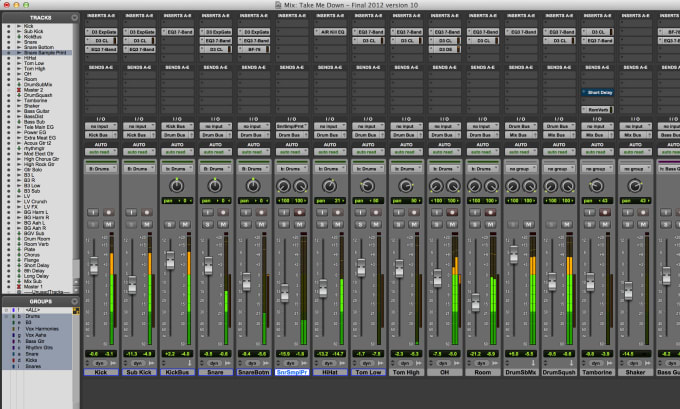
Adding space to the blend can do ponders. Have a go at putting a reverb unit on an arrival channel, at that point start sending a little signal from each track. Try not to include reverb low frequencies like the bass, this will simply bring about mud.
The reverb should sound regular. A little action word on the high caps, vocals, and catch appear to progress admirably. Gated/sidechained reverb can truly enable a catch to drum punch through the blend without leaving an undesirable tail.
Layering and Panning:
In case you’re hoping to augment sounds, start by layering. To accomplish a greater guitar sound record two passes. Container one to one side and one to one side. Include a modest quantity of channel deferral to one of the tracks and the guitar will sound twice as large.
You can make a greater catch by layering a mid recurrence catch with a high recurrence catch. This works with the kick also. Layering vocals for the snare/ensemble is constantly a decent move. Keep the primary vocal take in the middle and afterward container two or three names somewhat left and right. Cut the low/mid frequencies of the vocal layers. Know more visit the official website http://bit.ly/2mrza8O
 Deeify